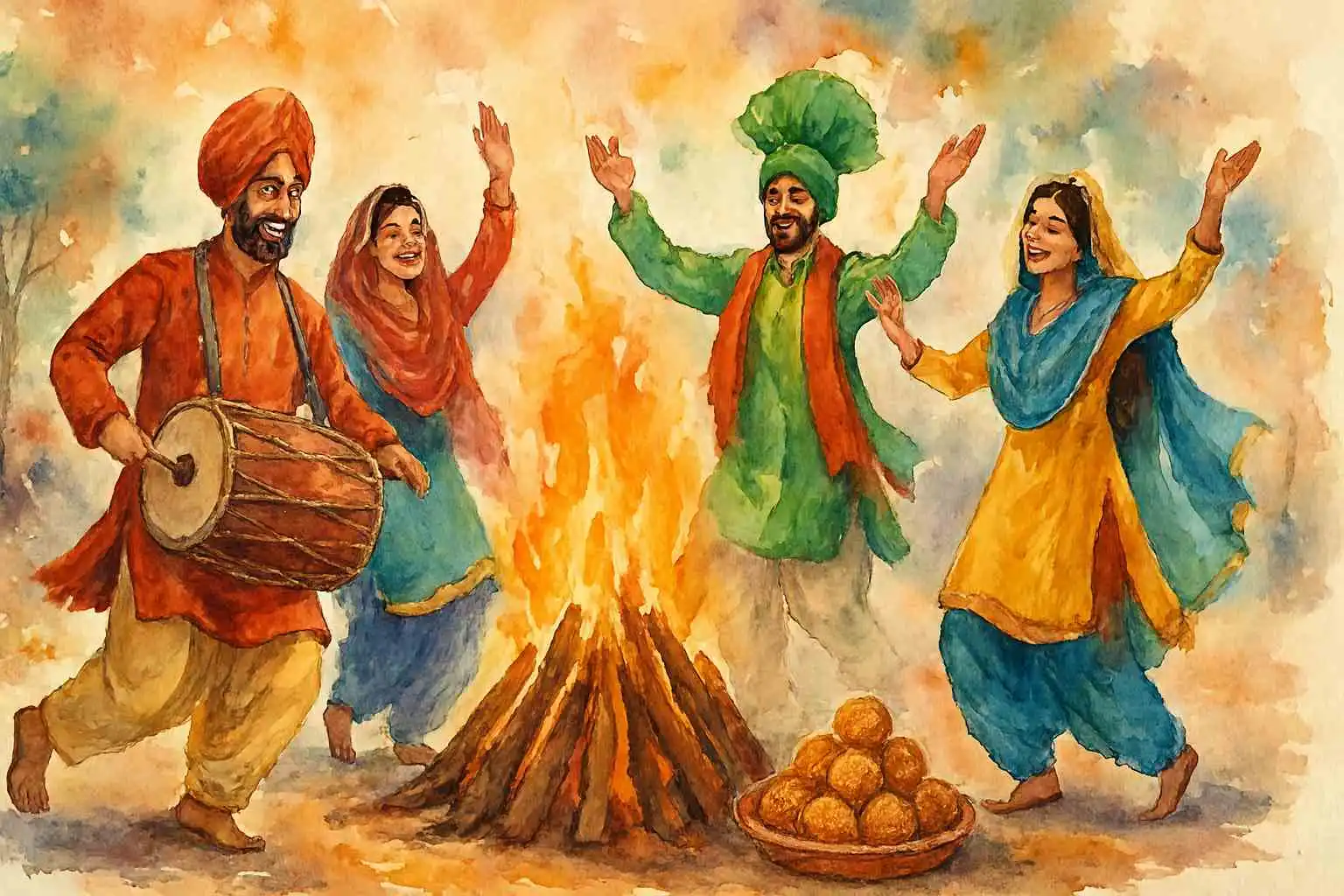
Lohri 2026, one of North India’s most colourful, vibrant and cheerful festivals deeply rooted in agritultural and deep rooted customs and Punjabi culture is peeking round the corner. Celebrated with great enthusiasm, Lohri 2026 will be observed on Tuesday, 13 January 2026, marking the end of the cold winter days and the arrival of longer, warmer days.
This extremely joyous festival symbolizes prosperity, greenery, gratitude and new beginnings which brings families, friends and communities together around warmth, music and tradition.

Significance and heartfelt importance of Lohri 2026
Lohri is mainly and primarily a harvest festival or a winter festival and also popularly known as winter harvest festival and has a special place for farmers and their families in Punjab, Haryana and parts of Himachal Pradesh. It marks the harvesting of Rabi crops, particularly sugarcane, wheat and mustard which is the main source of their income. This festival is a way by which farmers express gratitude to nature and pray for abundance, good harvest and prosperity in the coming year.
Lohri 2026 and this festival as a whole has a solar significance, as it is celebrated a day before Makar Sankranti. Makar Sankranti is being celebrated on the 154th of January, 2026 and thus Lohri will be observed on the 13th of January with an array of emotion, vibrance, togetherness and energy.
When the sun begins its northward journey or Uttarayan as it is commonly known it is a representation of positivity, growth, new beginnings and renewal. The bonfire lit during Lohri represents warmth, light, glory and the triumph of good over evil.
Lohri is all the more special for newlyweds and guardian of newborns, as their first Lohri is celebrated with extra joy, gifts, celebration with family and blessings from family and friends.
Legend and Folk Traditions of Lohri
The folklore of Dulla Bhatti, who was a legendary Punjabi hero, is closely associated with the festival of Lohri. He is remembered for rescuing girls from exploitation and arranging their marriages, earning respect as a symbol of bravery and righteousness. Songs sung during Lohri often mention Dulla Bhatti which is a pay to pay him homage and also this keeps his legacy alive through generations.
Lohri songs reflect rural life, love, valor, togetherness and gratitude toward nature. These folk traditions strengthen cultural identity and connect people to their culture and roots.
How to celebrate Lohri 2026
Lohri celebrations usually start to take place in the evening and is centered around a sacred bonfire. Families and neighbors gather outdoors, creating a warm and festive atmosphere.
Bonfire Ritual
The bonfire is the heart and soul of Lohri celebrations. People should circle the fire and offer traditional items such as:
- Sesame seeds (til)
- Jaggery (gur or gud)
- Peanuts (moongfali)
- Popcorn
- Rewri and gajak
These offerings are a way of thanking nature and seeking blessings for prosperity as all these items are procured from mother nature and also represent authenticity.
Lohri 2026 Bonfire Timing (Shubh Muhurat):
- Bonfire Most auspicious Time: Approximately between 6:00 PM – 9:00 PM or for that matter any time after sunset.
Music, Dance, and Joy : Celebration of Lohri 2026 at its best
Traditional Punjabi dances like Bhangra and Gidda are performed around the bonfire, accompanied by the beats of the dhol. People clap, sing folk songs, make merriment and celebrate with unmatched energy and enthusiasm.
Festive Feast
After the rituals, families enjoy a hearty Punjabi meal. Popular Lohri dishes include:
- Sarson da saag and makki di roti
- Chhole
- Naan
- Tandoori Roti
- Til laddoos
- Gur-based sweets, til ke laddo
- Mithai
- Peanuts and popcorn
The food reflects winter produce and the spirit of sharing and togetherness.
Lohri 2026: Modern Celebrations
In Lohri 2026, celebrations will continue to blend tradition with modern ideas and lifestyles. Urban families celebrate Lohri in housing societies, parks and community halls, while those living away from home connect virtually with loved ones.
Lohri 2026 celebrations also are a big part of families residing in countries like Canada, USA and Australia, thereby breaking the barriers of physical boundaries.
Social media plays a big role in sharing Lohri wishes, photos, reels and videos, helping people stay connected despite distances. Eco-friendly Lohri celebrations are also gaining popularity, with smaller bonfires and sustainable practices being encouraged.
Regional Importance of Lohri 2026
While Lohri is most popular in Punjab, it is also widely celebrated in:
- Haryana
- Himachal Pradesh
- Delhi and NCR
- Jammu region
- Canada
- USA
- Australia
Each region adds its own cultural flavor, but the core spirit of gratitude, warmth and joy remains the same.
Spiritual and Cultural Meaning
Beyond rituals and celebrations, Lohri carries a deep spiritual message. It reminds us to:
- Be thankful for nature’s abundance
- Celebrate community and relationships
- Let go of negativity and welcome positivity
The bonfire symbolizes burning away past worries and embracing hope, happiness and prosperity in the new agricultural cycle.
Why Lohri Matters Even More Today
In today’s fast-paced digital world, festivals like Lohri help preserve cultural heritage and strengthen family bonds. They encourage people to pause, reconnect with traditions and celebrate life’s simple joys.
Lohri also highlights the importance of farmers and agriculture, reminding society of its dependence on nature and the hard work behind every harvest.
Lohri 2026 Wishes and Messages
On Lohri 2026, people exchange warm wishes such as:
- “May the Lohri fire burn away all your worries and fill your life with happiness.”
- “Wishing you prosperity, warmth, and joy this Lohri.”
- “May this Lohri bring success, good health, and abundant harvest to your home.”
Conclusion
Lohri 2026 is more than just a festival infact it is a celebration of life, gratitude and togetherness. With its glowing bonfires, rhythmic dances, delicious food and heartfelt traditions, Lohri continues to unite people across states, nations and generations.
As families gather around the fire on 13th January 2026, the spirit of Lohri will once again light up hearts with hope, happiness and harmony. Whether celebrated in villages or cities, Lohri remains a timeless reminder of cultural pride, community bonding and the joy of sharing.
1 thought on “Lohri 2026: Celebrating the Harvest Festival with Hope, Love, Gratitude, Bhangra and Togetherness”